


Hi Gang…
Guy Dirkin is leading the effort on challenging us at “Forgotten Fiberglass” to answer the following question:
“Why has Forgotten Fiberglass…..been Forgotten?”
Most recently, he posted his first salvo in the “comments” area at the bottom of the story on a “Lost Chuck Manning Publication.” Click here to review this story and his comments at the end of the story. We are in the process of expanding on his initial comments and creating a story posted for all to read (and comment).
Kudos to Rick Feibush, friend of fiberglass and consummate automotive writer and historian, to help us delve into the many and varied reasons why the phenomenon of building your own sports car changed from the 1960s forward. Today’s story is an extension to Guy Dirkin’s thoughts
No longer did you see the same enthusiasm and volume of cars being designed, built, and driven in the 60s. The hobby changed for a variety of reasons, and would never be the same as those initial years in the ‘50s when designing, building, and driving your own sports car was just a dream away.
Let’s have a look at what Rick had to say about those times and why they changed.
Take it away Rick!
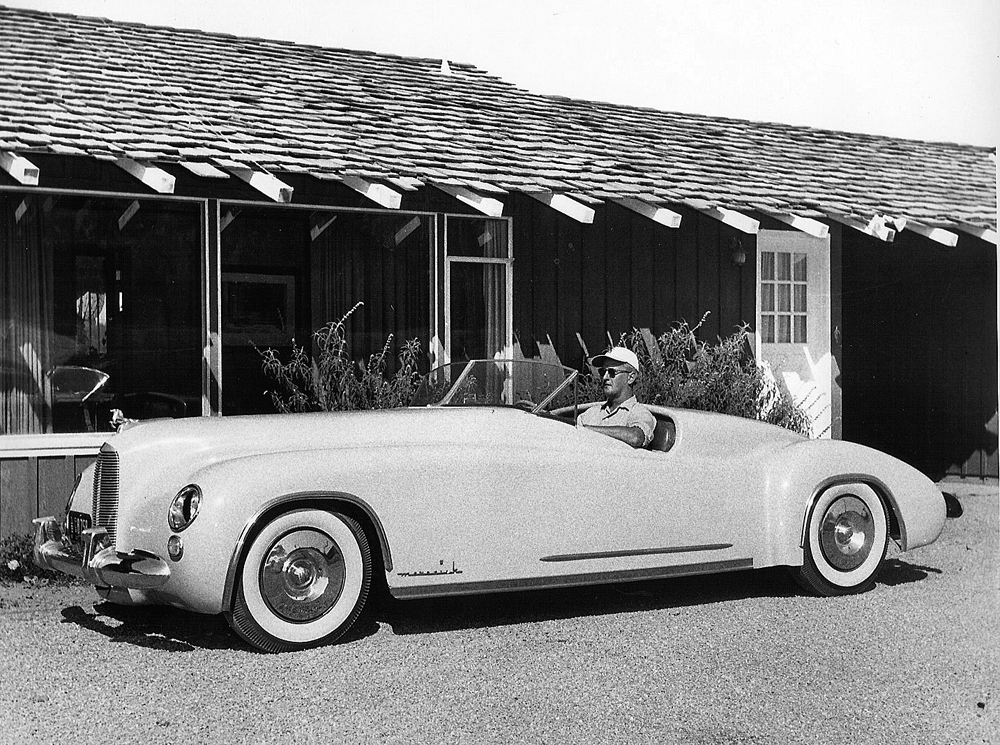
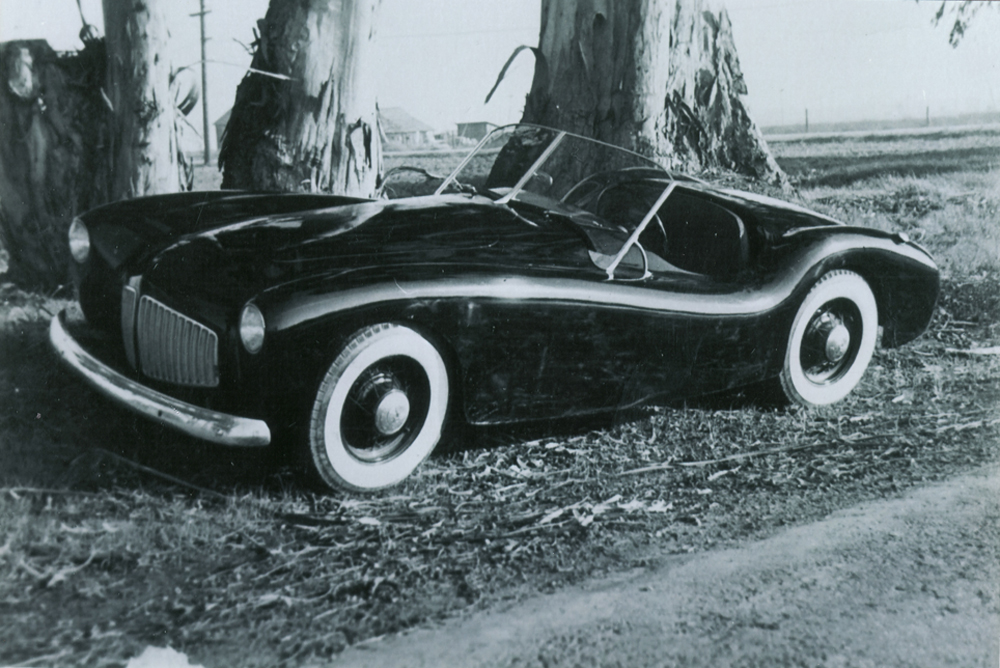
Sterling Gladwin And His 1952 Maverick Sportster
Whatever Happened To The Homebuilt Sports Car?
By Rick Feibusch
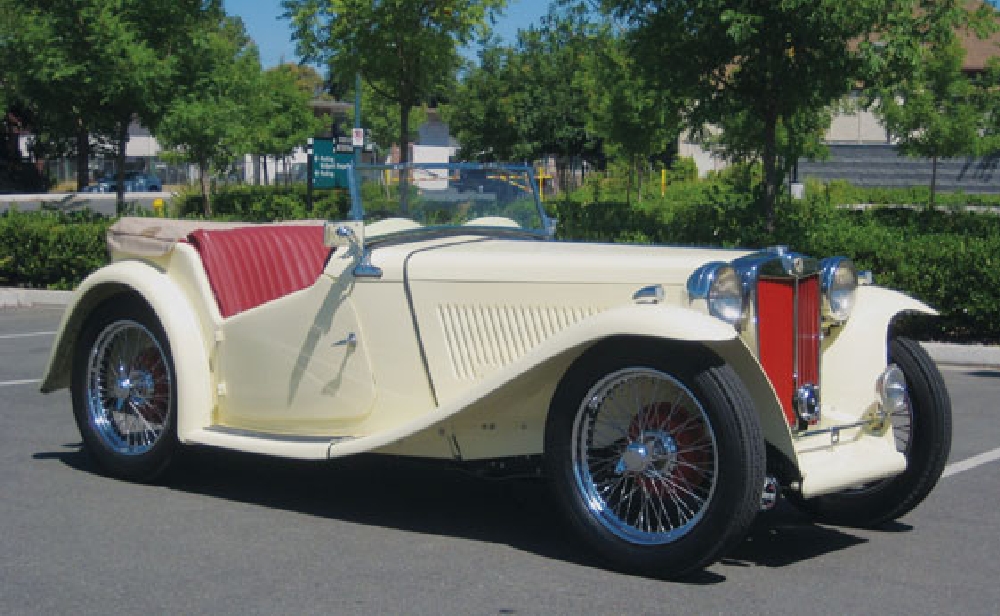
The reasons that building your own sports car fell off the radar was simply because reasonable and usable second hand sports cars became available in the late 1950s shrinking demand considerably. While T-series MGs were somewhat fussy and fragile and XK series Jags were not only fussy and fragile, they were expensive to maintain. By the late 1950s, sports cars had become dependable, varied in style and reasonably priced, once they were a few years old.
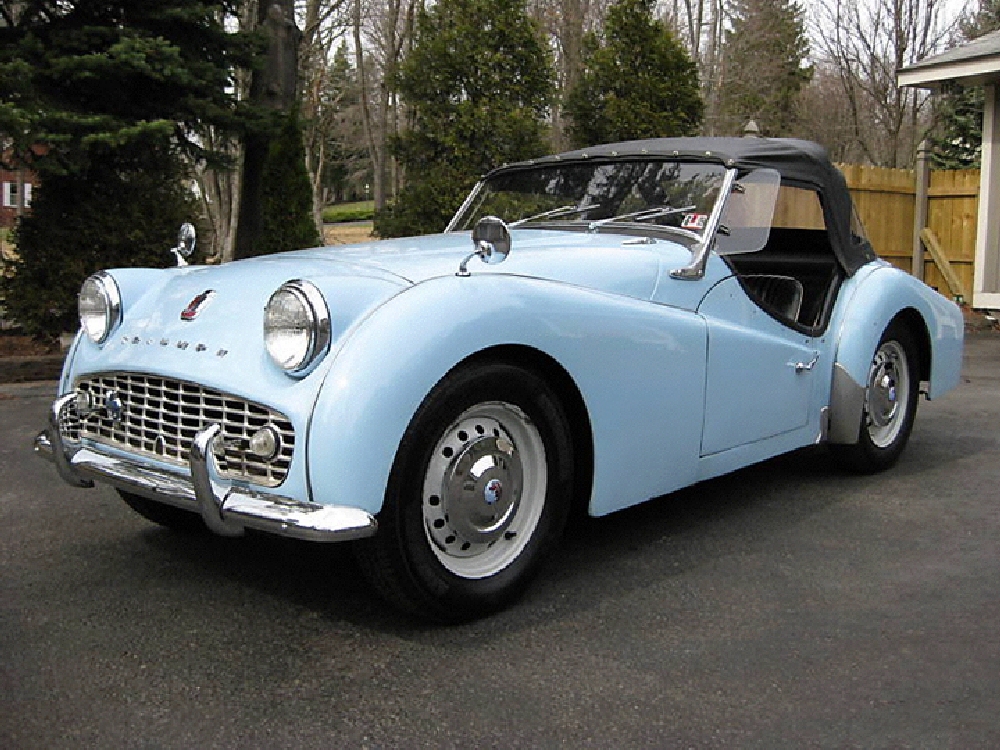
Except for the prohibitive insurance, especially for the younger people who wanted them, who didn’t want a Corvette??? Fast, pretty and made most of girls melt instantly. I had a number of friends who bought Triumph TR3s. MGBs and even a few 356 Porsches. Fun, relatively easy to self-maintain, freeway friendly and affordable to a college student with a part-time job.
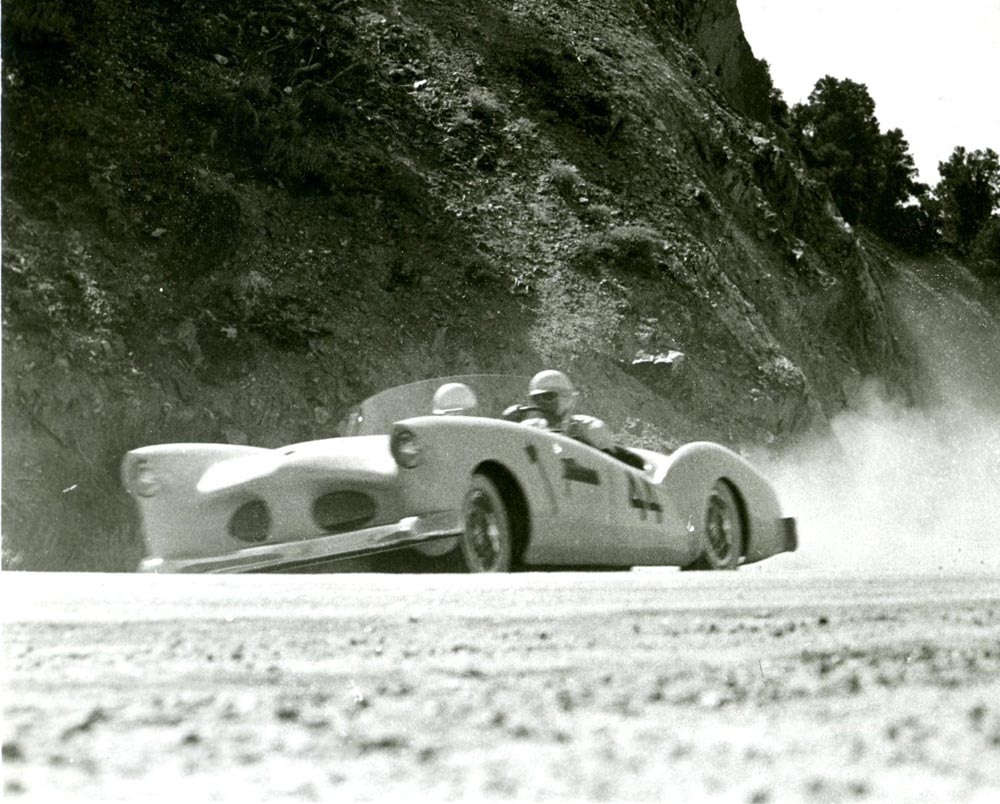
1953 Grantham Stardust In Action In The 1954 Movie: Johnny Dark
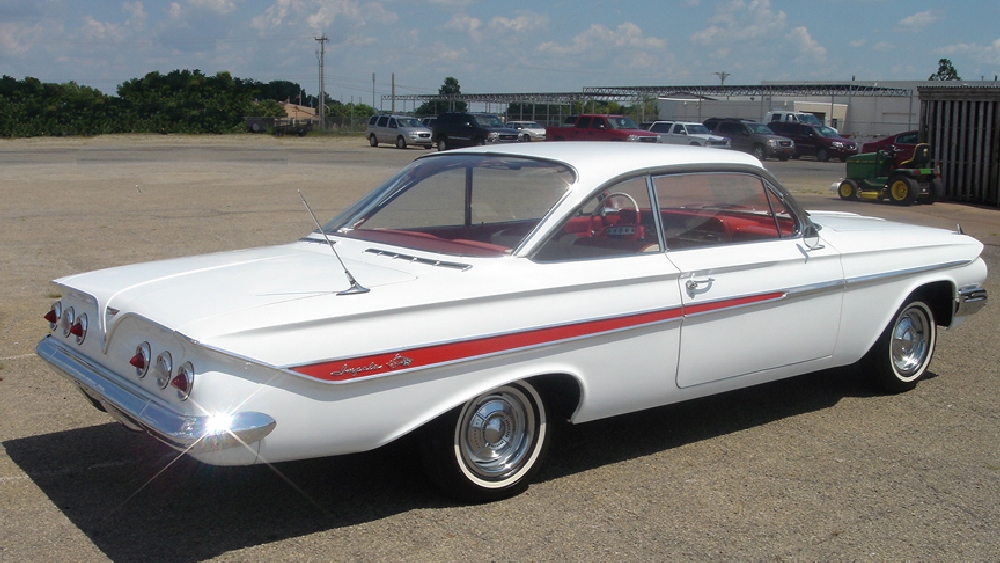
Then Detroit decided to cash in on the youth market. I remember, as a freshman at Westmore High School in Daly City, CA, on the first day of classes, Coach Herkenrath rumbling in to the car park in his new 1961 Impala SS 409 coupe. About half of the boys who saw it arrive ran to feast their eyes upon it. All of a sudden, I realized everything had just changed. Who needed to build a car when one could buy one at your local Chevy agency? Then came the big-block Fords, MoPars, and then the GTO.
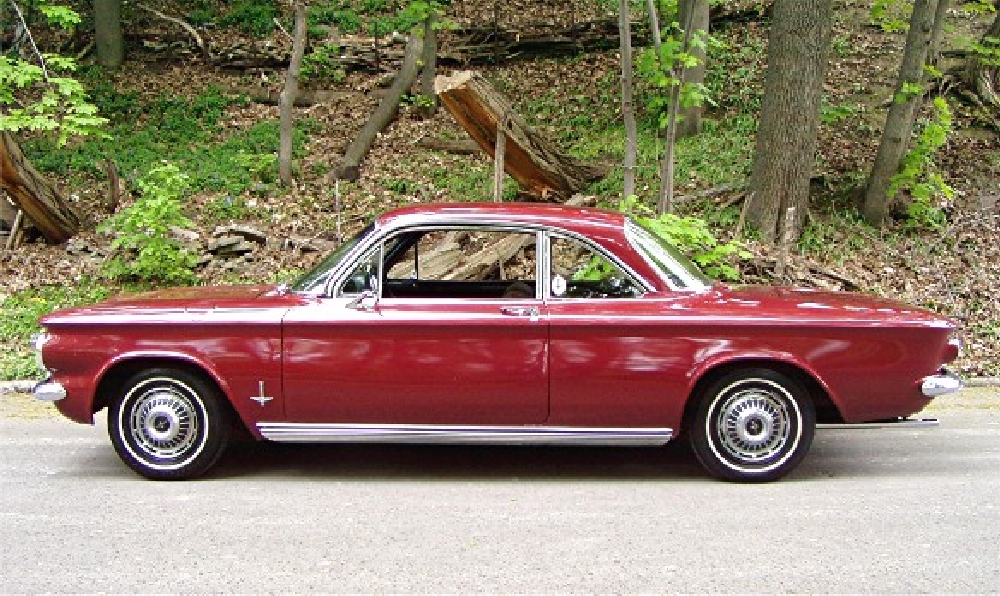
And if sheer horsepower was not your “thing,” the Corvair brought all of the exciting and challenging handling of a 356 Porsche to people who liked to go around corners fast, smoke pipes and wear flat caps. As an urbane high school senior who had just discovered jazz, folk music and ascots-for-ties, I traded my triple-carb, twice-piped, Ford for a two-year old-Monza. Bruce Meyers brought back the kit car – One of the guys in my sports car club, The Foothill Touring Association, became the Manx distributor for San Jose, CA, and started rallying and autocrossing his little yellow bomb. And, you were able to drive on most California beaches at that time. You know all the songs the Beach Boys wrote about California in those days…. They were true!
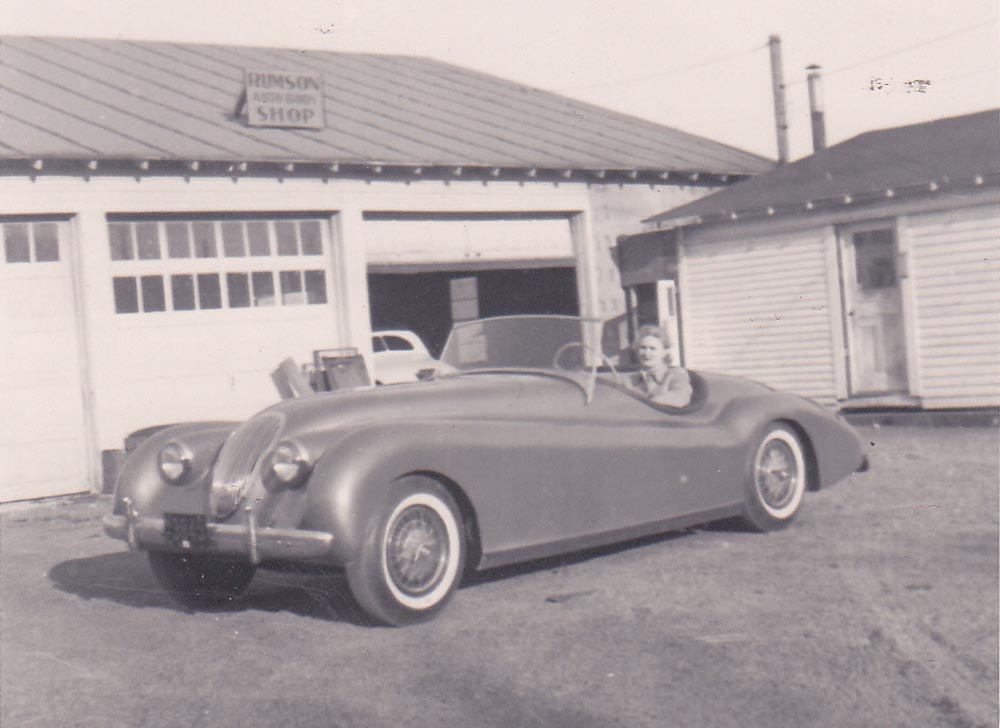
Janet Craig – Wife Of Gazelle / Navajo Sports Car Founder Jim Craig, At Wheel in 1953.
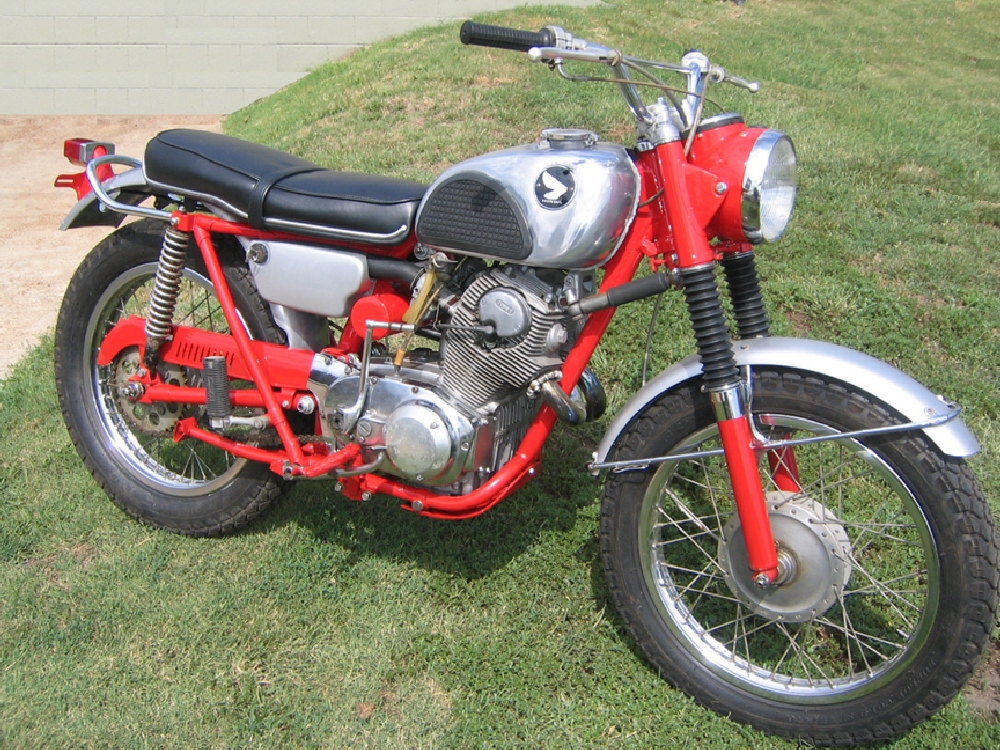
And don’t forget the Japanese motorcycle craze started my ge-ge-generation on two wheels with Honda 50s, then graduating up to 250 and 350 Scramblers, providing people who might have built cars at one time, with the same amount of open road excitement at a fraction of the cost…..
As we look back on the early postwar era, there were a number of reasons that home built specials flourished then, became unnecessary, and now the few remaining are to be venerated and restored, rather than updated. These unique machines are magnificent folk art from an era that was populated with fellows who had either been to war or were designing and building the weapons of war, who came home with loads of recently acquired and practically applied knowledge and skills, that allowed them to build well-designed and credible machines.
Mainstream auto manufacturers were just getting production up to speed and the smaller firms were having financial problems, limiting upgrades and new products and eventually forcing many to merge or fade away completely. It took Ford and GM until the mid-1950s to take a whack at the market, with products that were way too expensive and not really sports cars. Boulevard cruisers for movie stars, astronauts, and advertising execs..
By the late-Fifties everything was different. The vast population of Baby Boomers were raising children, hosting barbecues and driving station wagons. It was easier to buy fun, and building your own car became a pastime for engineers and hot rodders.
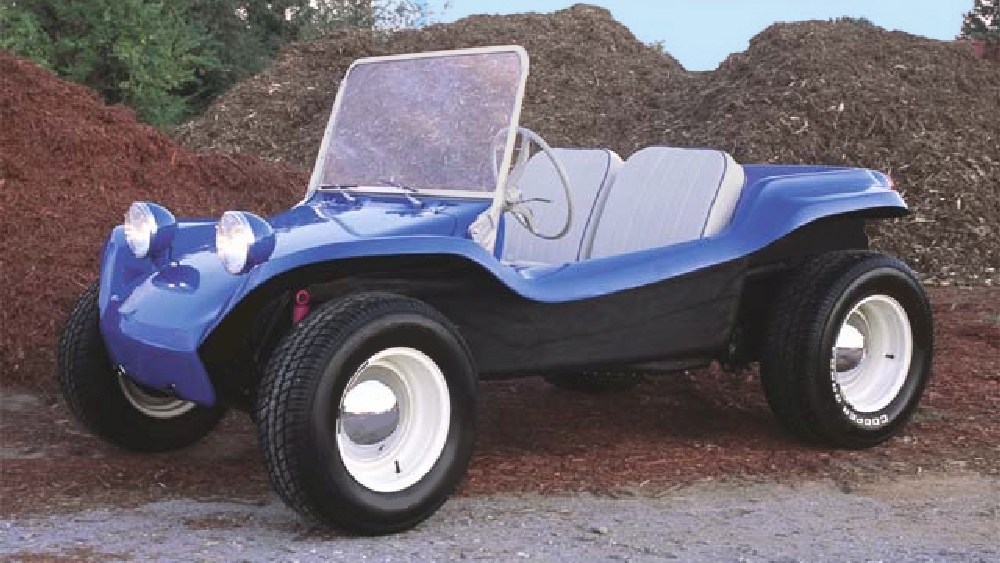
Meyers Manx
Summary:
Thanks again to Rick Feibusch for answering the initial call to this question and explaining, from a ringside seat, what some of the factors were that led to a shift away from building your own sports car.
In future articles in this area, we’ll discuss additional issues that contributed including:
- The high cost of building your own sports car in the ’50s in labor alone – it took 2000 hours (and often much more) to build your own sport car from start to finish. This represents nearly 1 year (50 weeks) of 40 hour weeks, with 2 weeks off for good measure and rest
- The emergence of kits in the late ‘50s that were much more complete. We call these “Generation 2” fiberglass sports cars and include Kellison, LaDawri, Devin, Fiberfab, and more. People who wanted to build their own cars now could – and did- more easily
- The shift from designing your own uniquely styled body to building a “clone” of a famous sports car – predominantly the Ford GT and the Mercedes classic style – best embodied by the company called “Gazelle”
All of these contributed to – or resulted from – the point by point analysis neatly laid out by Rick Feibusch above.
To support this line of discussion here at Forgotten Fiberglass, we have created two new features:
- A “Must Reads” page of articles that are essential to learning about the Forgotten Fiberglass era and / or best represent the highest level “builds” and issues that impacted those building these cars. Click here to review this page.
- A new category of stories called “Must Reads” which can be accessed in the category drop down list at the right side of our website, and include articles about these critical issues – such as the one here today – and others like it we’ll be writing in the future. Thanks to Bob Peterson for suggesting this idea 🙂 Click here to review these articles.
In addition, we’ll be reviewing another article posted along these same lines called “What Happened To American Sports Cars?” This was published in 1967 in Automobile Quarterly and addressed all American Sports Cars – not just our fabulous favorite fiberglass variety.
Hope you enjoyed the story, and until next time…
Glass on gang…
Geoff
——————————————————————-
Click on the Images Below to View Larger Pictures
——————————————————————-
-

- Sterling Gladwin And His 1952 Maverick Sportster
-
- 1953 Grantham Stardust In Action In The 1954 Movie: Johnny Dark
-
- Janet Craig – Wife Of Gazelle / Navajo Sports Car Founder Jim Craig, At Wheel in 1953.

I can still see a handful of people or shops making their own sports car though its not as common as before. It would be great if this market sill exists and we could have more options when buying one.
Plenty of people build their own sports cars today. Do a search on “locost” or “se7en”. Those are Lotus 7 type tube frame cars that use inexpensive donor cars.
I am going to bvuu an older MGB convert and drop a bigger engine into it. I need a fibreglass bodyt which will fit the MGB chasis, What do you trecommend and how many
$??
I wasn’t alive in the 1950’s, but in New Zealand we had a comparable situation a few years ago. From the 1970’s to the mid-90s, there was a small but active industry building MG TD/TF replicas, Lotus 7-style cars, Beach buggies and Cobra replicas, amongst other things. Some of these are still being produced, but in fewer numbers now. The culprit here has been Mazda Miatas, imported used from Japan. Why go to the effort of building a car when for a couple of months of the average wage, you can buy superbly engineered, reliable, weathertight sportscar? Now of course, it’s coming around again and Miatas make very good donors for building a car from scratch…
See http://www.constructorscarclub.org.nz/ for some background.
I echo Will’s comments – when you look at what Detroit was offering in 1946, it was pretty much the same thing they were building in 1941/42 – that goes for Packard, Nash, Hudson, GM, Ford and Chrysler. Post war new comers, Kaiser – Frazer and a new line from Crosley and Willys, excited only a limited group buyers. Enter, Frank Kurtis – the rest is history.
I think Rick does a great job touching on the variety of things that transpired in the late ’50s, early ’60s that witnessed the fiberglass sports car movement move into decline with this article. I really loved seeing him mention the Japanese motorcycle movement, as a biker, I can attest that it’s still the best way to obtain Ferrari levels of performance for a tenth of the price.
You had so many factors that contributed to the boom in fiberglass sports cars in the early 50s as well. Many servicemen returned home with skills that were picked up in the military repairing aircraft, tanks, and ships. They had seen the European cars first hand, and once back in the States, may not have had the money for one so decided to build one on their own.
You also had American industry to blame for the upstart fiberglass revolution in the early 1950s in that American industry was very slow to transition from building war time products to building traditional peace time goods again. It took a few years to get the auto industry rolling again, and much of that which was produced was based on pre-war designs that were now going on 10 years. These were designs that had gone by the way side, as the young American generation at the time wanted things new and fresh, and fiberglass offered car buidlers the capability to construct fresh, new designs with realtive speed when compared to how long it took Detroit to bring something to market.
But Rick makes another fabulous point, in that time moves on. These guys that were building their own cars got married, had kids, obtained full time work and began to live a more relaxed life. It’s something that happens, and I think as a younger automotive and racing historian, we should consider ourselves blessed that they did what they did for that short period of time in the 1950s.