


Hi Gang…
Today I have the honor of introducing you to another author, friend of fiberglass, automotive historian and all-around great car guy – Rick Feibusch.
Time and time again, Rick sends the coolest cars and the neatest slices of automotive history to his fans across the internet. I’ve been one of those lucky recipients for several years, and I’m honored that Rick is not just a part of our fiber-fantastic group, but also a friend.
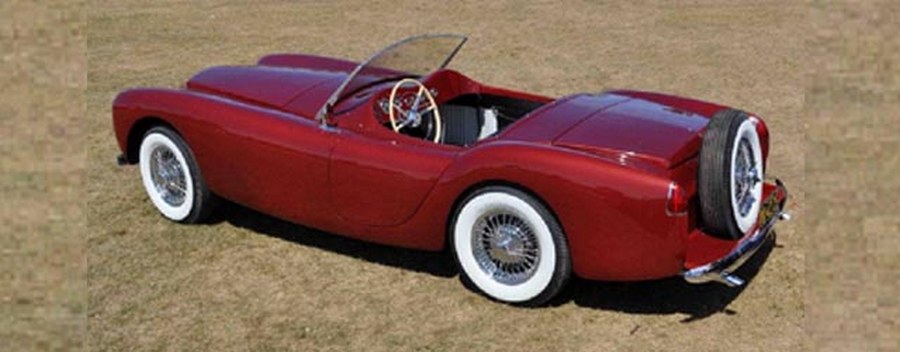
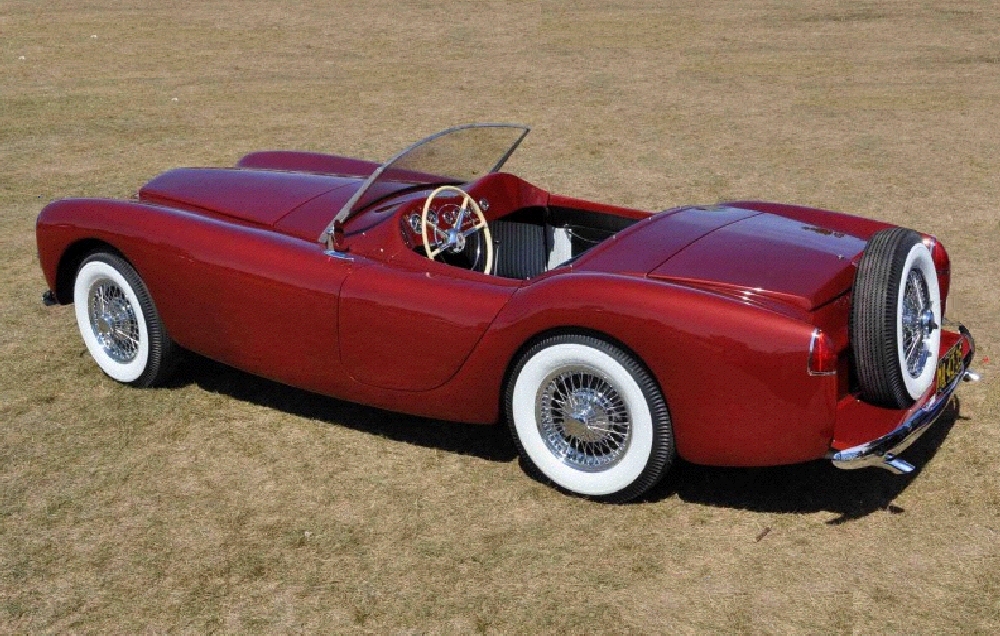
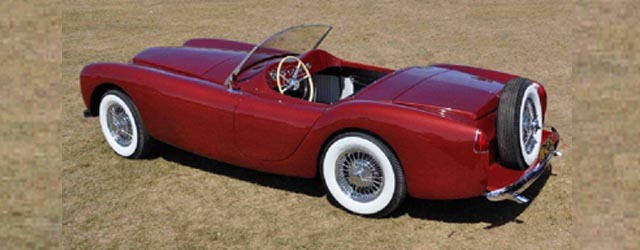
For his first article, Rick put together a great piece on the “History of the Continental Kit” – something that was popularized in the ‘50s but has a much earlier heritage. Many of our fiberglass cars “sport” continental kits including the La Saetta and most famously the Woodill Wildfire.
So…sit back, get some coffee, and let’s have a look at Rick’s first article here on Forgotten Fiberglass.
Go get ’em Rick!
The Continental Kit – “That Tire On The Back”
by Rick Feibusch
In the early days of the automobile, most roads were poor and tires were very fragile. Part of the early automotive experience was the regular repair of flats, often multiple times during a single afternoon outing. Early cars had easily dismounted tires so the driver could remove the tire and inner tube for patching and reassemble it in a reasonable amount of time.
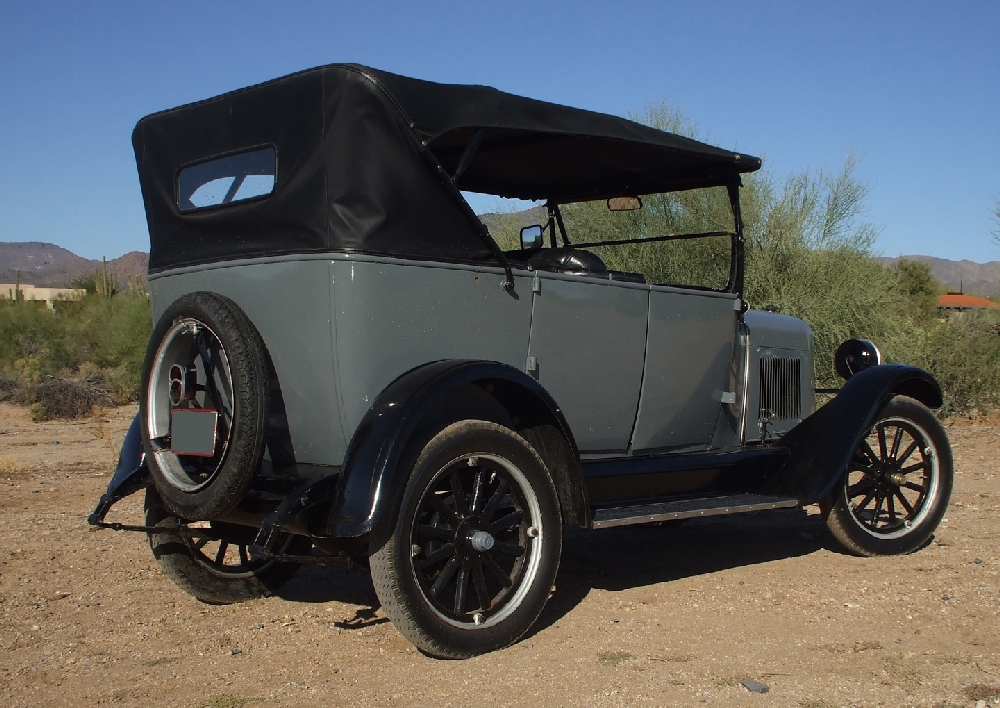
As cars became more sophisticated and roads got better, motorists found that bringing along one, or even two, already prepared spares mounted on rims would hasten this messy project. Many manufacturers placed the spare tires out of the way on the back of the car (see the photo of the ‘28 Chevrolet). This was the place of choice for most cars, though some sport and luxury models featured “side-mounted” spares.
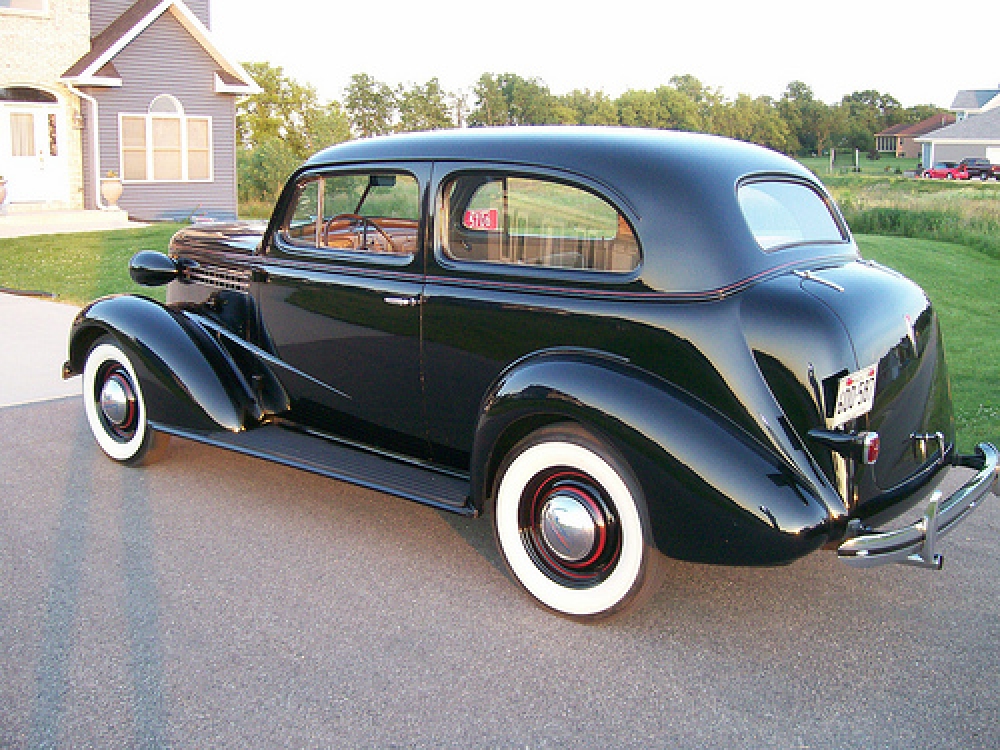
In the mid-1930s, American manufactures started to integrate a rear storage compartment (called a “trunk” after the luggage-like miniature steamer trunks that used to ride on racks behind the rear-mounted spare tire), into the body design. By 1937, most American cars had moved the spare wheel into the trunk – see the photo of the black ‘38 Chevy. On the other hand, many British and European manufacturers, while adding a trunk (called a boot, in British-ese), retained the external spare for more internal storage space and a sporting style.
It was in this light that in ‘39, Edsel Ford had a special car designed and built after returning from a trip to Europe where he was exposed to a different look of luxury than he was used to in the States. He decided to build a one-off personal American sportster that would feature what he called a “continental look.”
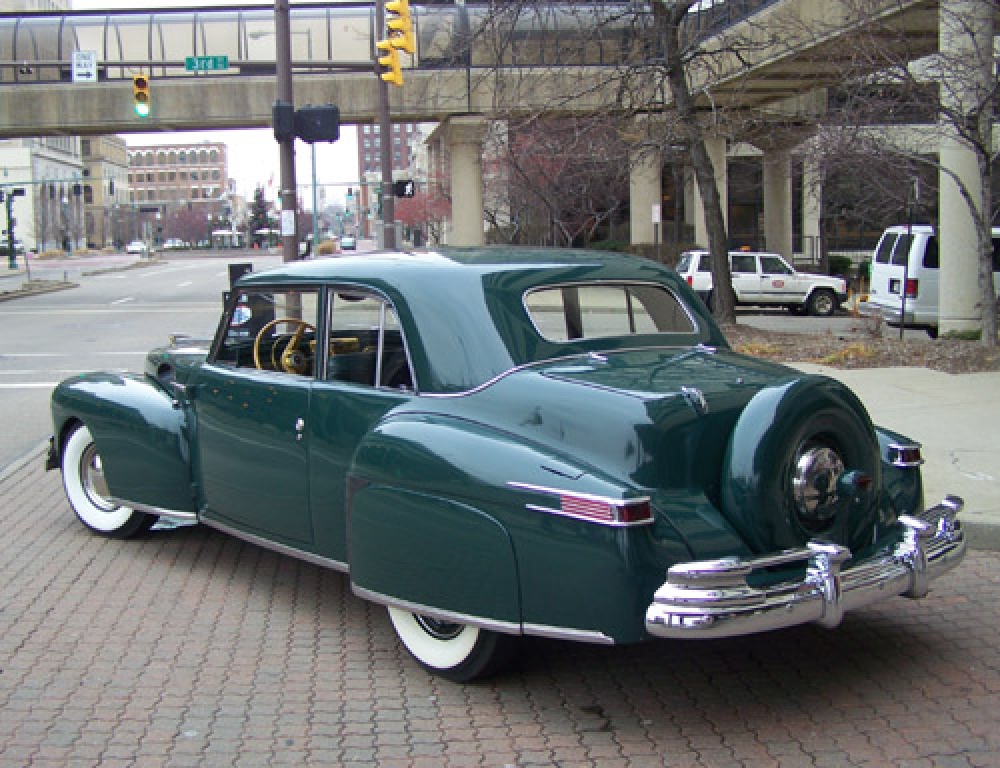
Based on a contemporary Lincoln Zephyr, the car was sectioned (cut horizontally to lower the body line) a few inches above the fender line and had a lowered top line. The sleek design also included a deeply inset spare tire mounted on the trunk. The one-off concept car was so well liked that it was put into production in 1940 through 1942 and came back after WWII, between 1946 and 1948 – see the green 1942 Lincoln Continental. When the aftermarket accessory rear mounted spare became available in the early 1950s, the Continental name stuck.
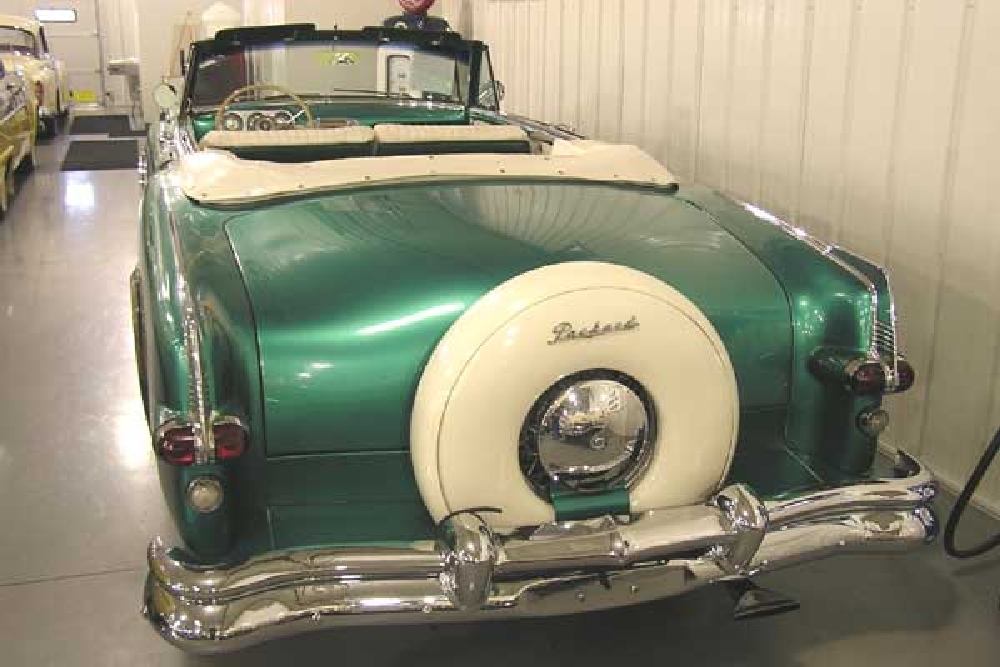
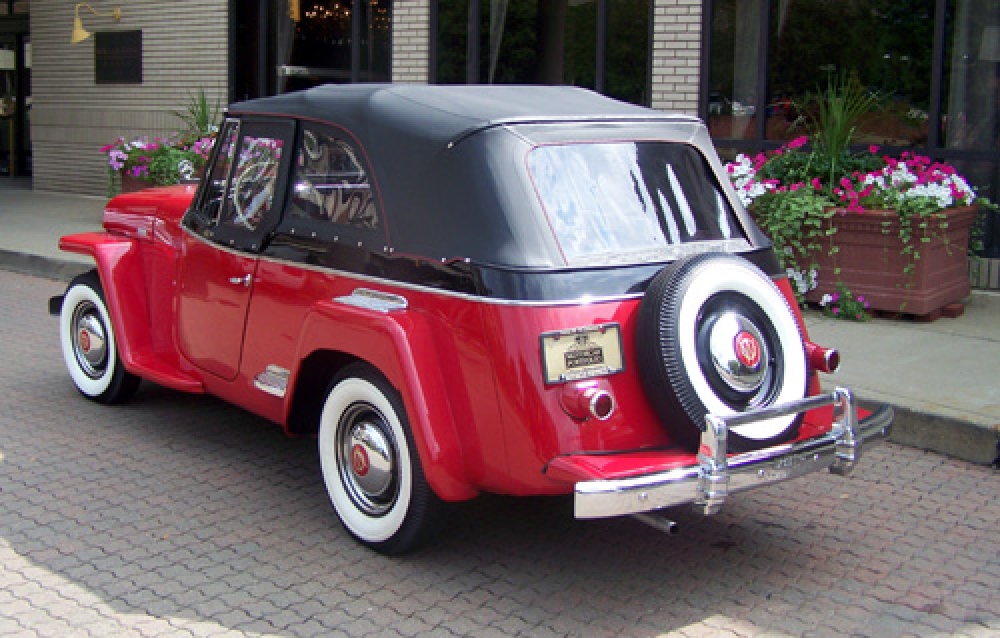
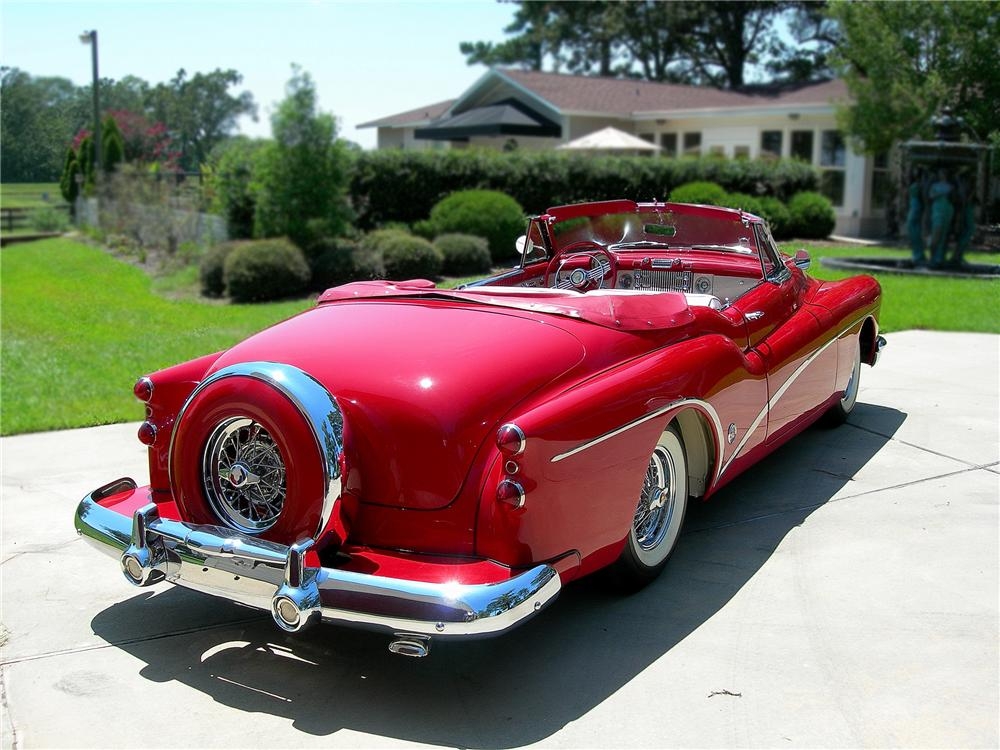
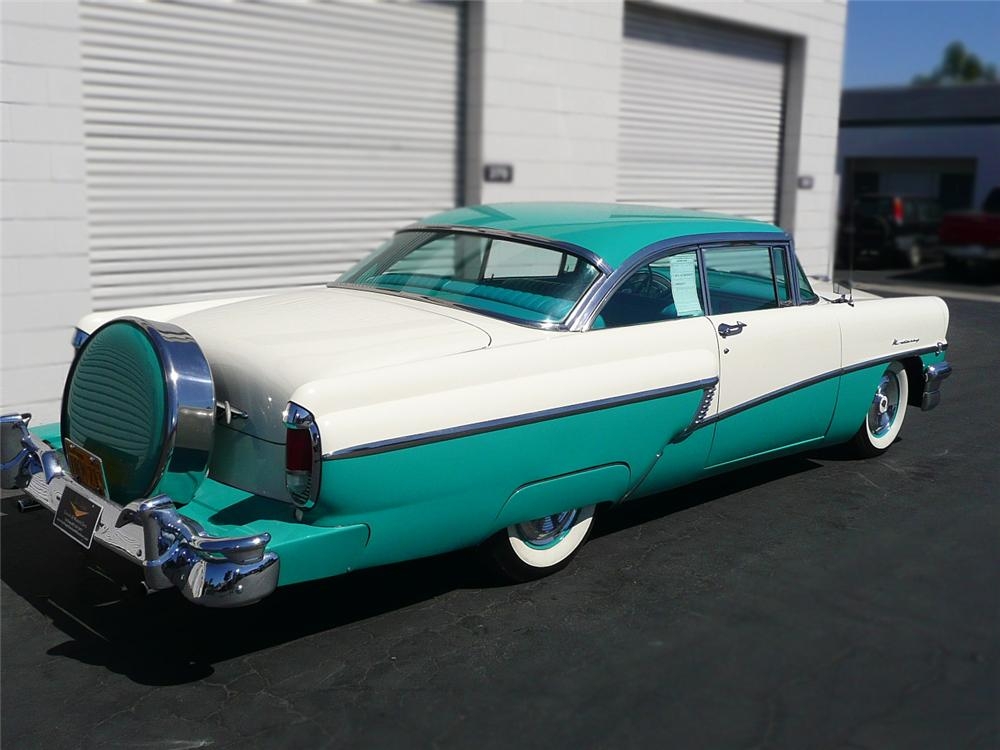
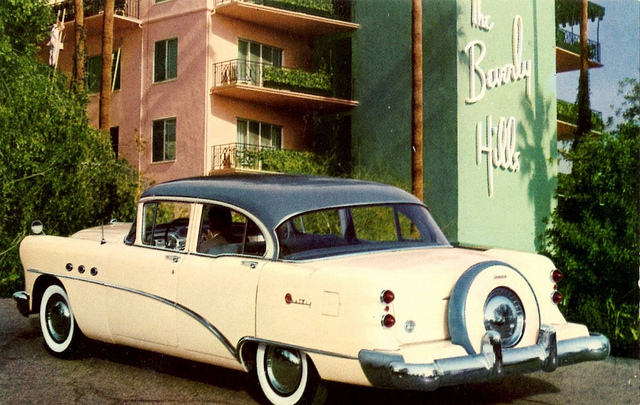
By the early-1950s, rear-mounted spares became an impressive add-on for many American luxury models. First seen as factory options on Cadillac, Packard and Buick, like the pictured red 1953 Buick Skylark, they were also fitted to the sporty Willys Jeepster, another attempt to bring British sports car style to the States – see photo of red Jeepster. These were integrated into the car design by extending the bumper a few feet behind its original position with a valance between the bumper and body, forming a “shelf” to carry the tire.
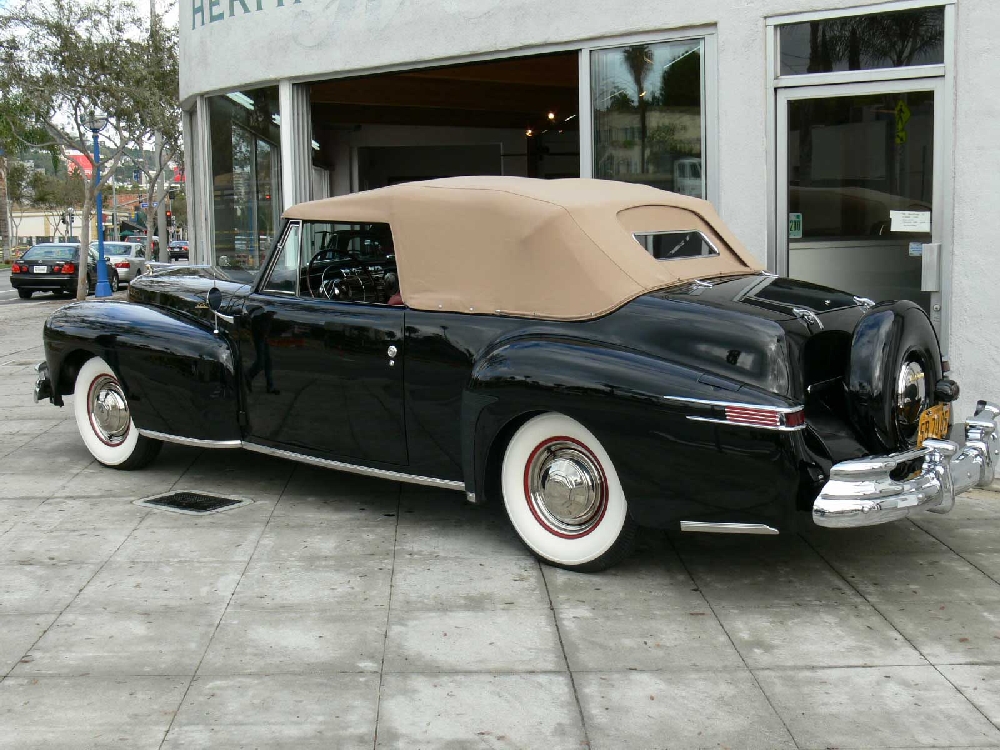
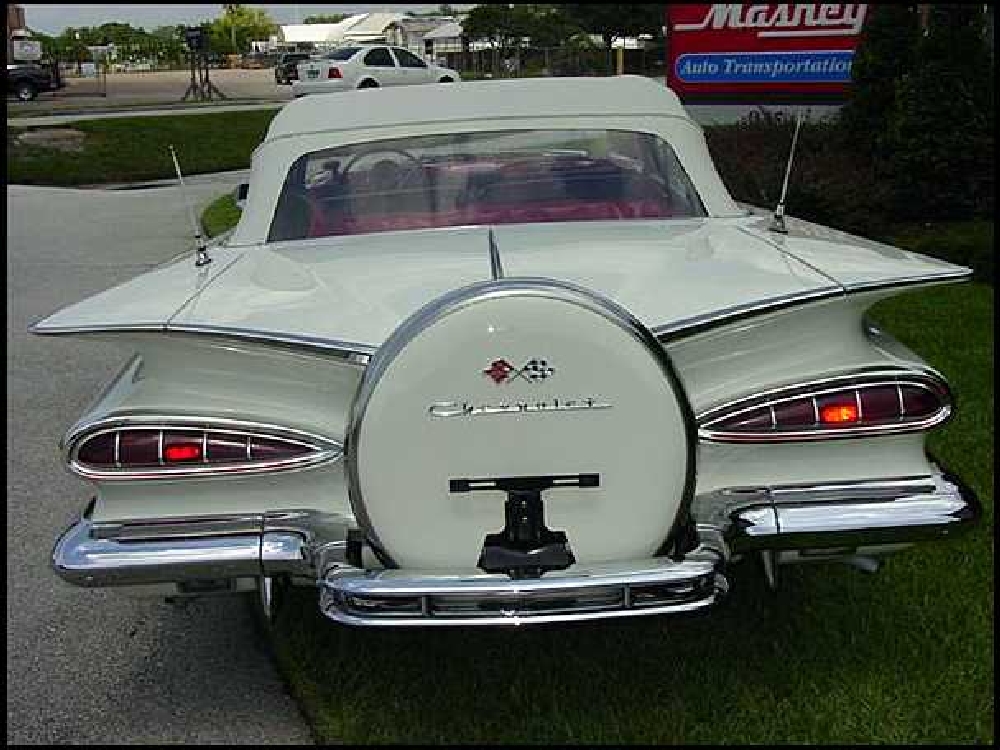
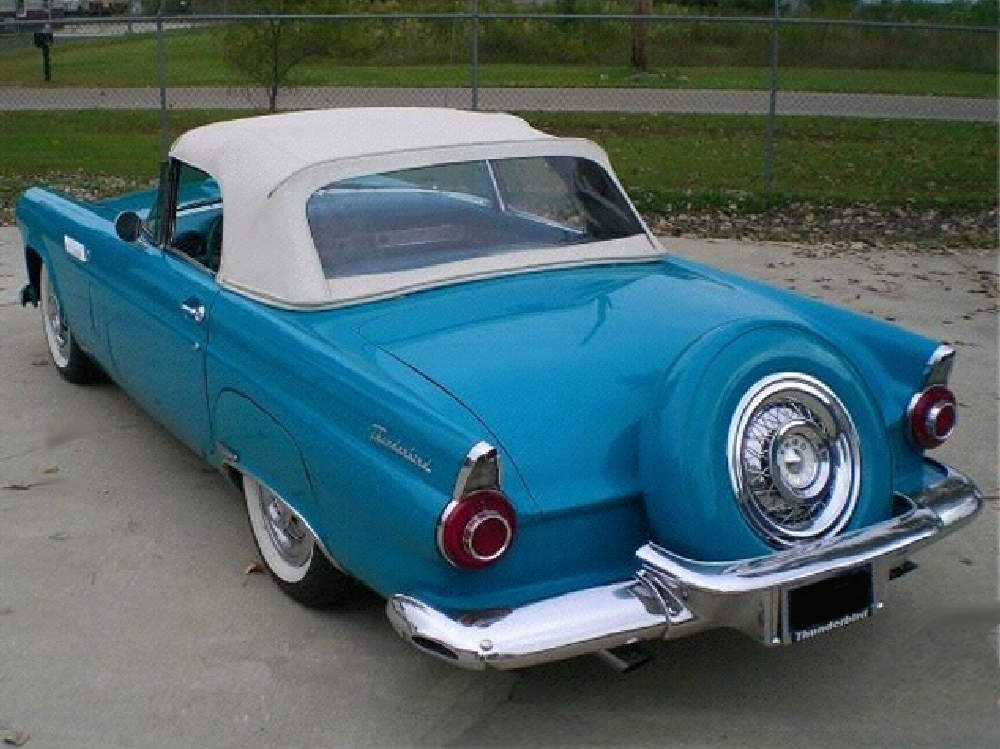
Sometimes a smaller centrally mounted bumper extension made a less massive rear end treatment like on the 1956 Thunderbird or the late 1950s Impalas. Speaking of two-passenger Thunderbirds, legend has it that a complaint by Henry Ford II that the trunk of his personal ‘55 Thunderbird, did not have enough room for a set of golf clubs without removing the spare tire. The 1956 Thunderbird came standard with its spare tire mounted outside (image of turquoise 1956 T-Bird). The 1957 model got the bigger trunk!
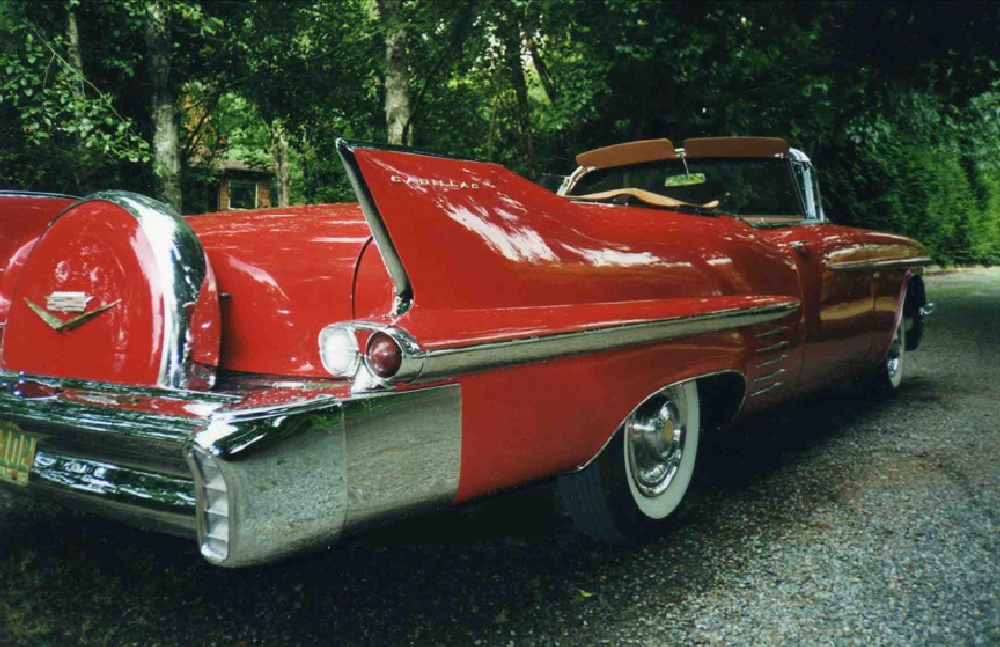
Some automotive historians feel that the term also describes a nonfunctional circular bulge that is stamped into the trunk lid or a cosmetic accessory to the rear of the car giving the impression of a spare tire mount. Made popular by a number of Italian bodied Chrysler concept cars, and later embraced by Chrysler designer Virgil Exner, this idea made its way to production models on the Imperials in 1957 and worked their way down to baseline Valiant compacts by the early 1960s.
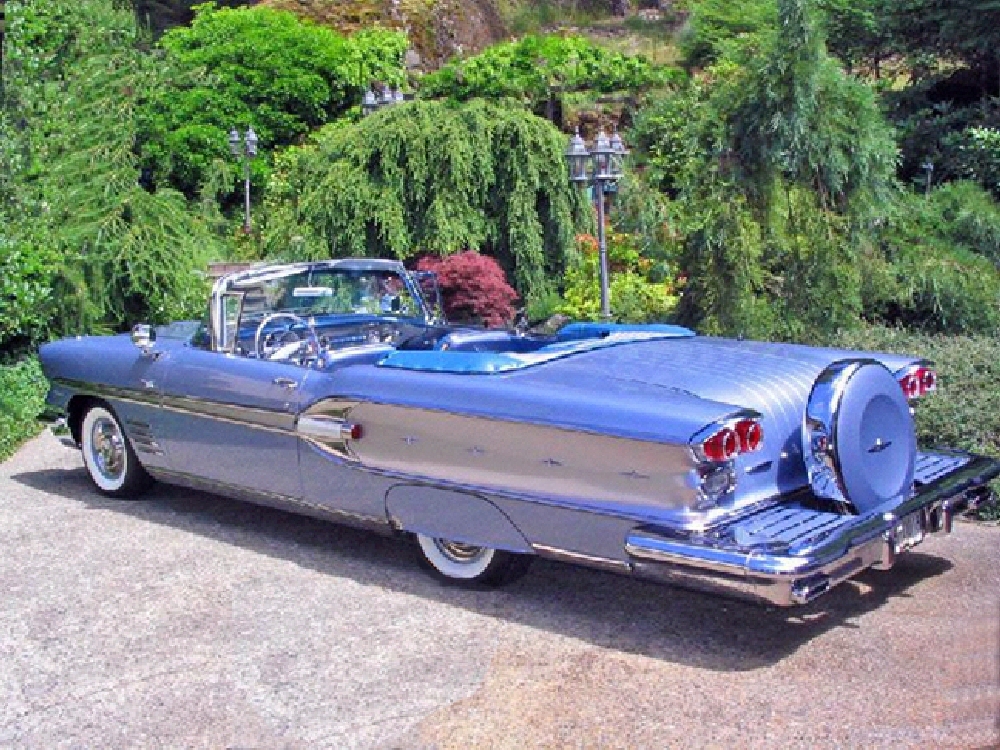
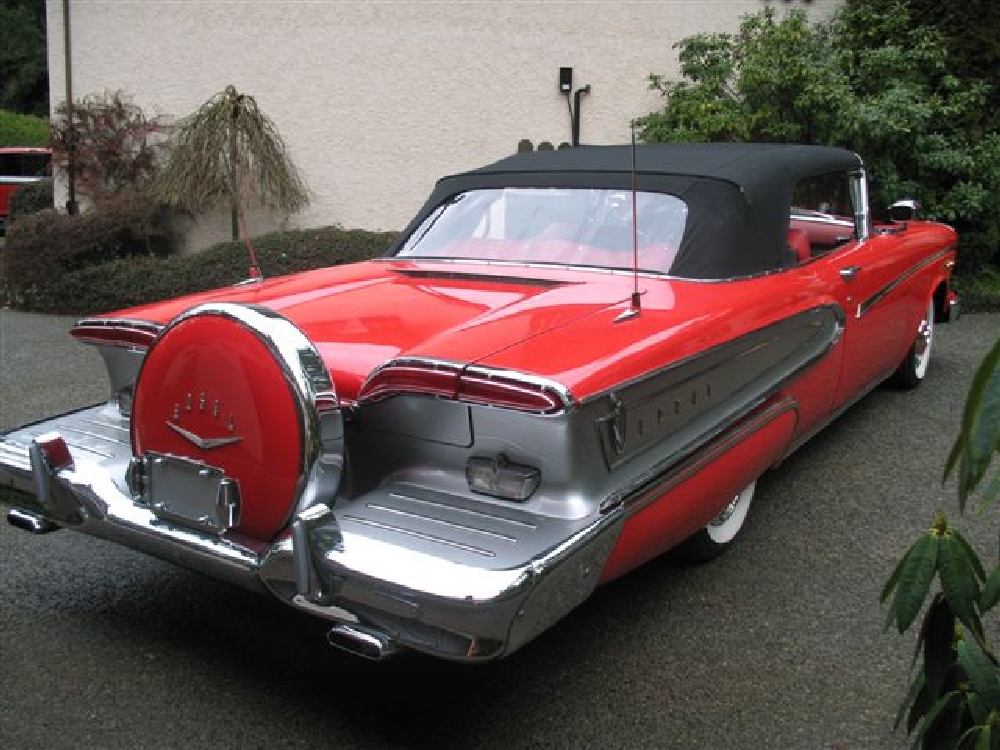
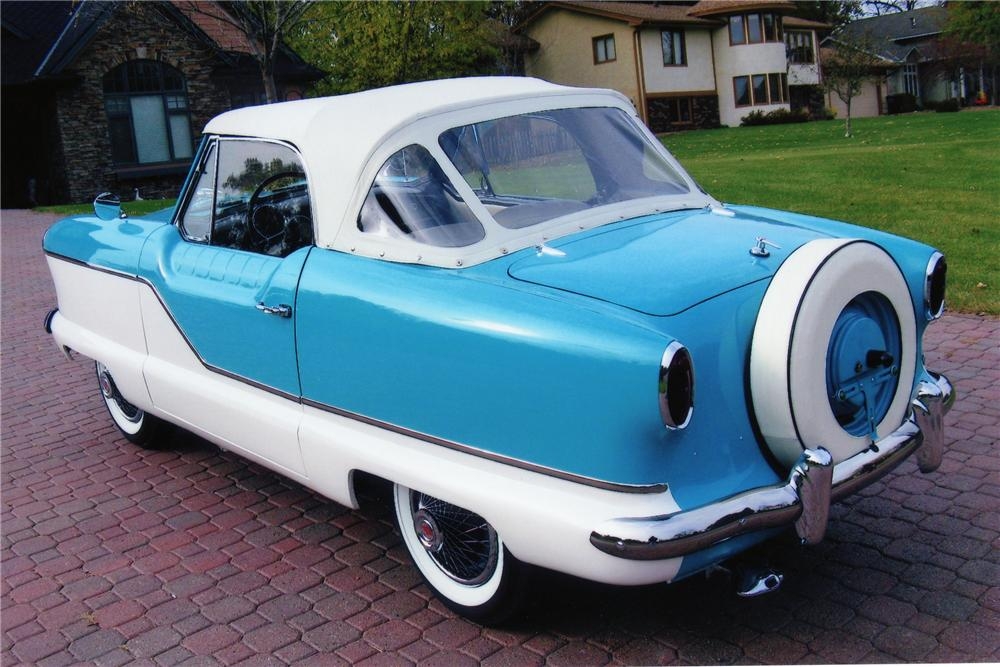
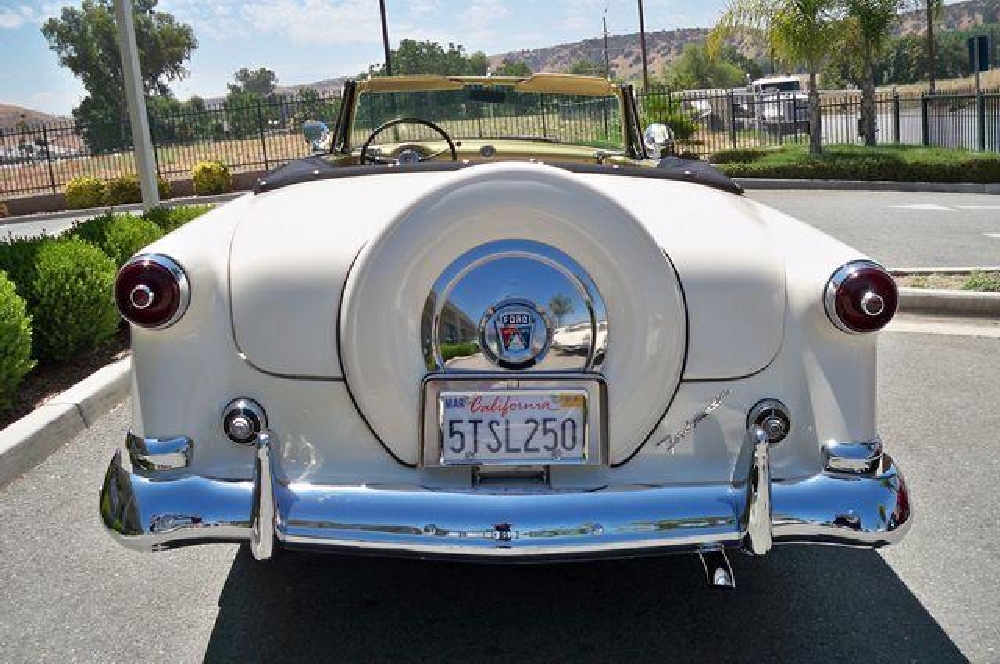
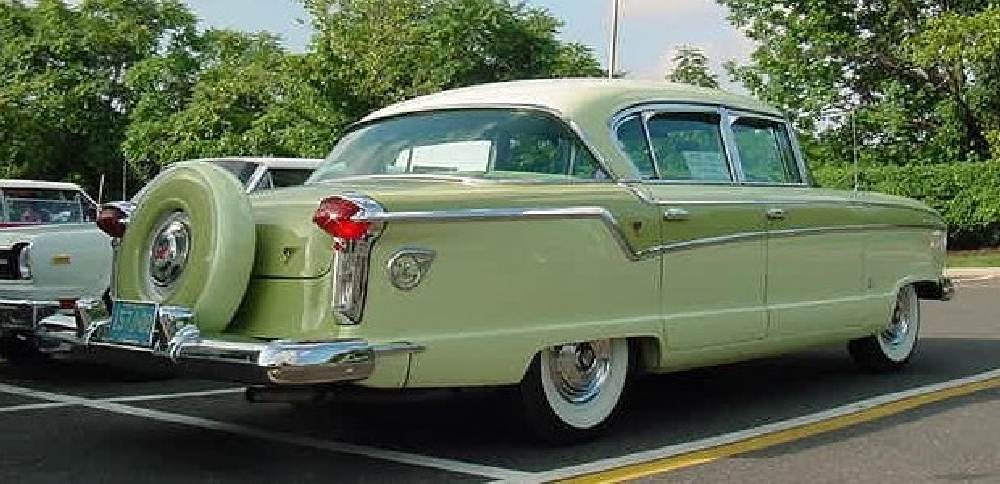
Ford also offered an optional bolt-on fiberglass faux rear-mounted spare that was fitted to the 1953 Indianapolis 500 Pace cars and promotional replicas. These became a general option on all 1953 and 1954 Fords. In the United States, the external Continental tire mounting became a factory option on various types of cars during the 1950s and early 1960s. On some models, like the Nash Metropolitan, and Willys Jeepster a Continental tire was a standard feature.
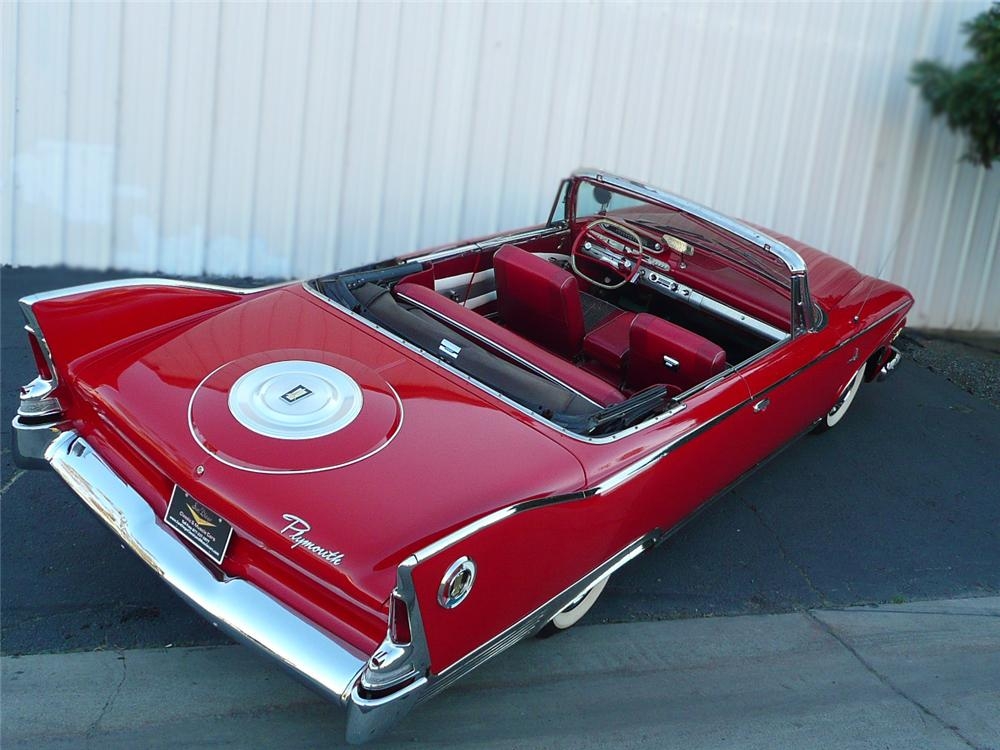
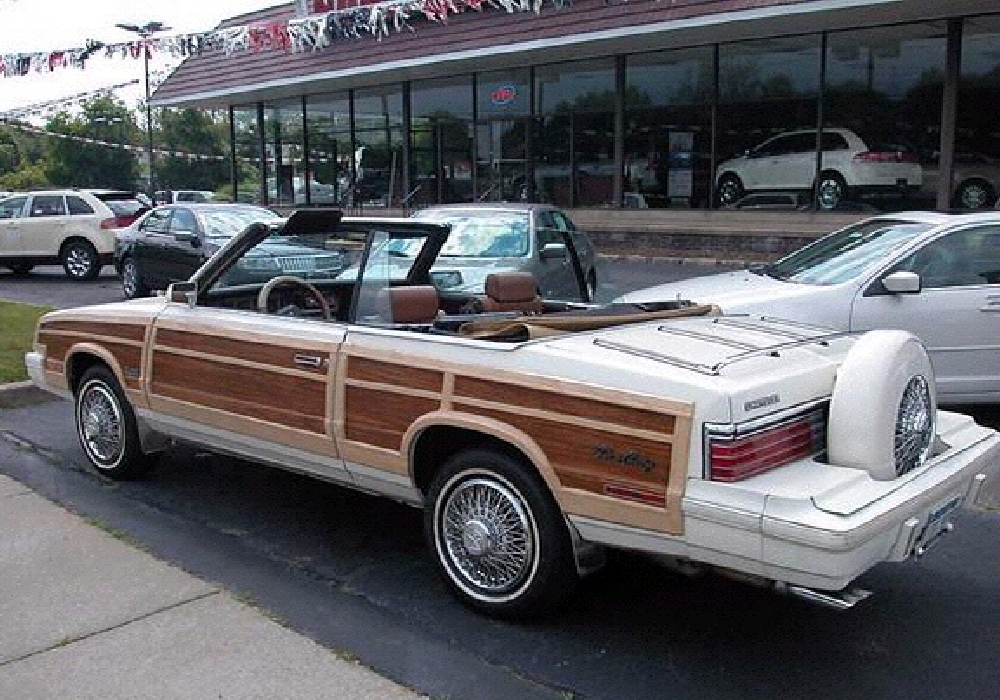
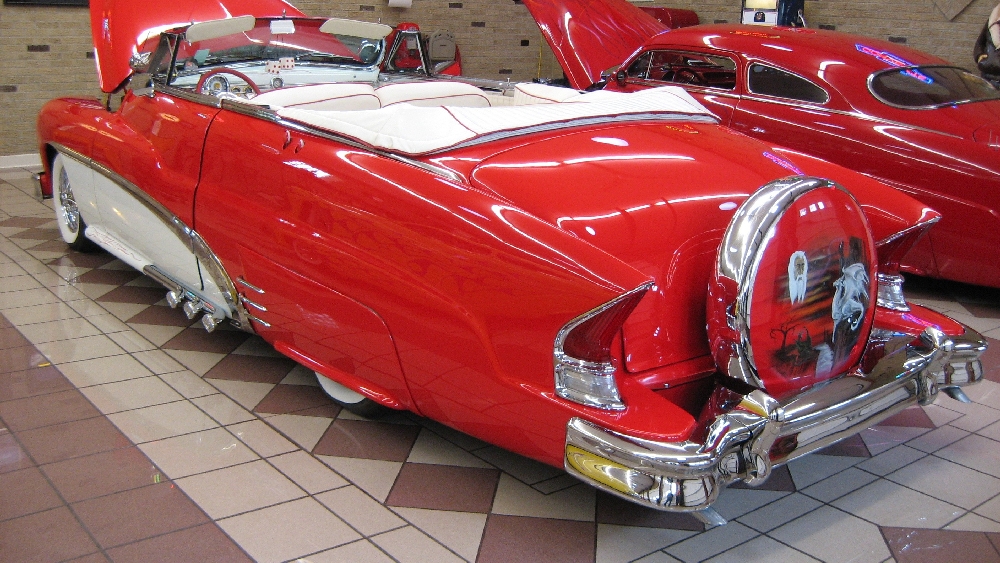
This external spare wheel mount also became a customizing aftermarket appearance accessory during the 1950s and early 1960s. It enhanced the “long and low” look that was so popular at the time. Continental Kits and Imperial trunk bumps made a brief reappearance in the 1980s “pimpmobiles,” along with faux Rolls Royce Grilles, chrome wire wheels, and padded fabric top treatments. Contemporary examples of Continental kits are sometimes found on customized automobiles or fully-accessorized restorations from that era. It has become an iconic, retro accessory that typifies the style of the mid-1950s.
The only car that came with a standard factory rear mounted spare in recent years is the English Morgan – a true continuing classic as opposed to a modern retro design.
Summary:
Thanks again to Rick Feibusch for putting together today’s article. Now I’ll start compiling a list of fiber cars from yesterday that feature Continental Kits – just one more list that we’ll be building here at Forgotten Fiberglass.
And be sure to check out all the photos of the great Continental Kits in our photo gallery below that Rick included as part of today’s article. There are some fantastic cars to view there gang!
Hope you enjoyed the story, and until next time…
Glass on gang…
Geoff
——————————————————————-
Click on the Images Below to View Larger Pictures
——————————————————————-

Is there a Company that sells a fake continental tire trunk mount bump for a 1996 Mercury grand marquis. I saw one once .would love it for my Restomod Merc.
My grandfather was Dana Hudelson. That would be a true statement according to our family history. Time for me to dig through the boxes for the old prom photos.
I seek a copy of the Mark II trunk lid Cont kit, the one that is sunk in to the trunk 50%, hangs below the trunk lip. JC Whitney no longer makes the one sold in the Fifties. Lincoin put this style on there 80 ies cars, built in to the trunk lid. they are fake a tire will not fit.
Regards mickey
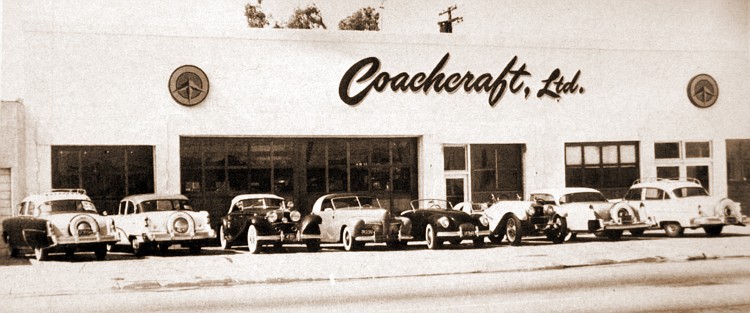
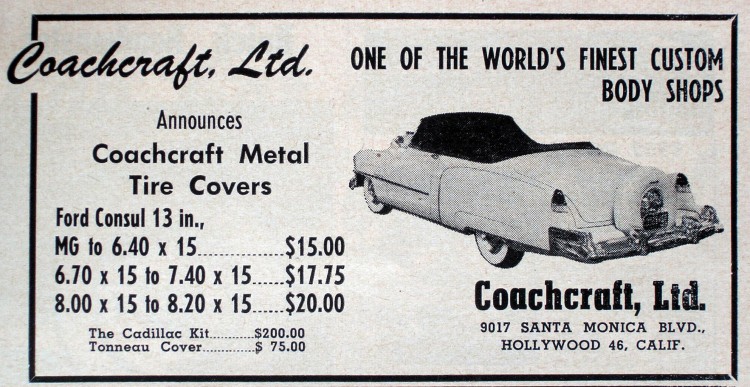
Very nice. I own a 53 Cadillac Coupe De Ville that I put a Continental kit on back in the late 70’s. I had purchased the car and was doing some restoration work on it when I came across a man that said he had a kit for it. I went over to see it and “literally” had to dig it out of his back yard. I was partially buried and was totally obscured by tall grass. He said it was a factory unit. I bought it and did my best to restore it and then installed it. After reading this article and seeing the picture from Coachcraft I am now wondering if that may not be what it actually is; It sure looks right.
Can you give me the web site of a company that manufactures contenital kits for 1959 Ford Skyliners?
Great article especially since my Wildfire picture is in it. Back in the day I had a white vinyl cover made to cover just the tire. But it shrank so much it would not fit anymore.
Great story ,,Great pictures however I thoroughly dislike spare tires stuck on the back of any car,The only one that looks right (my opinion) is the 40 and 41 Continental ..
Mel
All 1956 Ford Thunderbirds had a continental spare tire. Ford added the continental kit because many customers who bought 1955 Thunderbirds complained about the lack of trunk space. Ford corrected the space problem for 1957 by making the Thunderbird trunk larger and putting the spare back inside.
When Edsel Ford and Bob Gregorie designed the Zephyr Special cabriolet some people refered to it as Edsel’s Continental. It is though 3 were built using 1939 sheetmetal. One has survived, not Edsel’s which was crushed. Officialy the name Continental came into use for the 1941 model year. About 200 of the 41s were built in late 1940. This was likely when the term ‘Continental Kit’ started, 1939 and 1940 Ford woodies also had a rear mounted spare with a metal cover very much like the Lincoln one.
By the 1950s, a number of cars were customized with fender extensions.This generally moved the stock tail lights back 6 to 8 inches. It was done on Lincolns starting with the 1952. Even one Mark II Continental was done by Derham. Derham had been a carriage builder. A friend had this car and as they restored it they found square nut stove bolts had been used to extend the sheetmetal floor, etc. – just buggy left-overs.
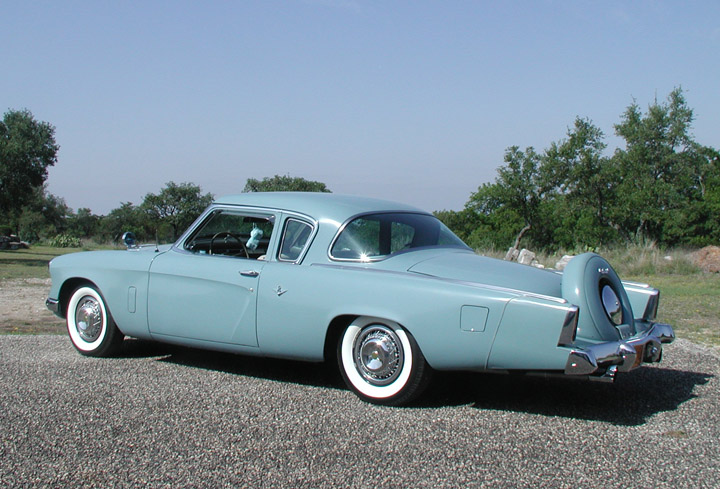
I have a Hudelson-Whitebone Continental Kit installed on my 29K mile ’53 Studebaker Commander Starlite coupe at the dealership when the car was new. And have scans of the full H-W brochure. It is rather startling as this kit included fender extensions so that the tail lights sit in stock position above the extended bumper. I’ve been told H-W was the company that started the aftermarket craze of adding “connie kits” in the ’50s. Any truth to that? Sometimes I wish photos could be included in these comments.